
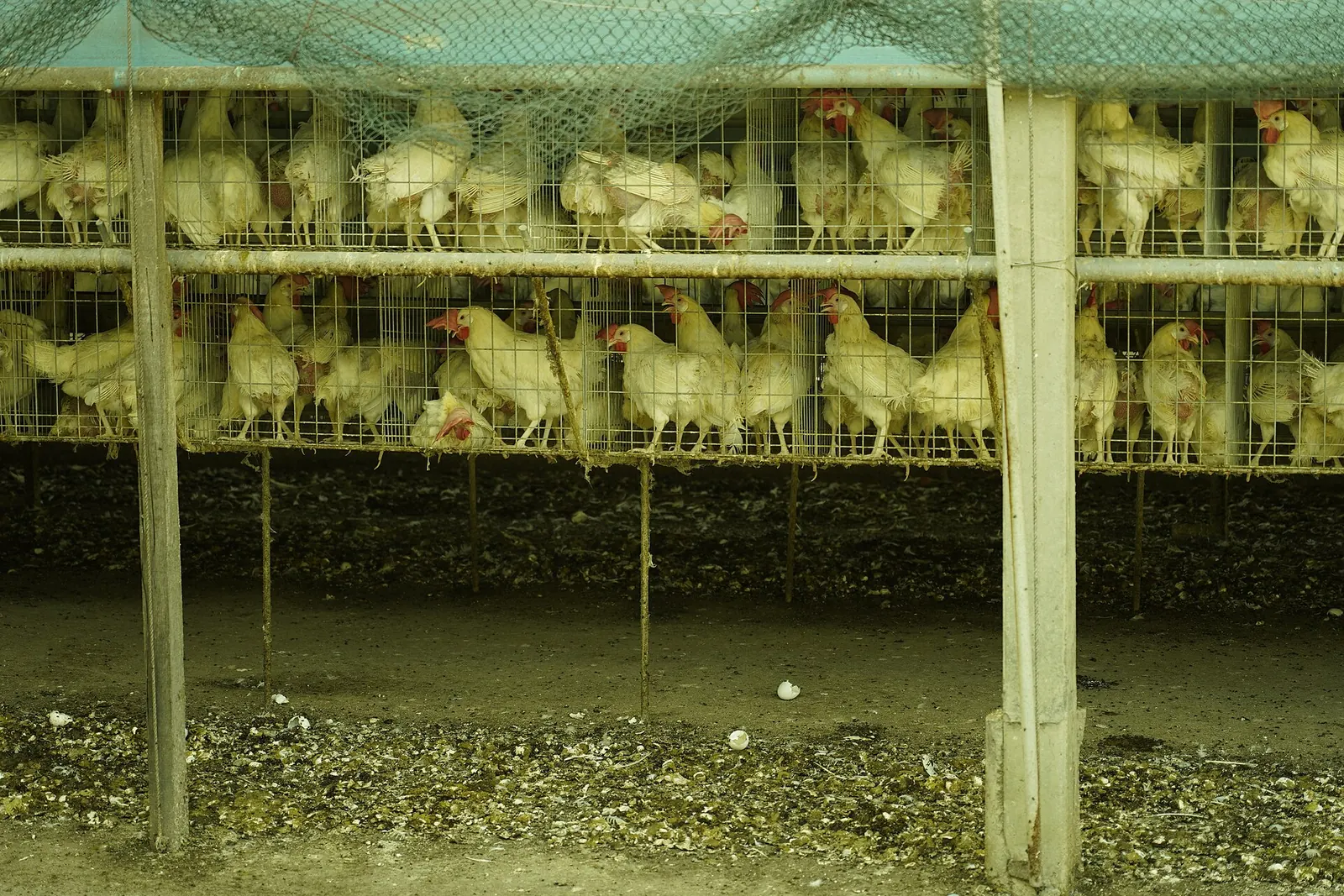

Free-range and pasture-raised are not the same. For USDA-graded eggs, “free-range” means hens have continuous access to the outdoors, with no set amount of space. “Pasture-raised” has no USDA definition for eggs; it carries weight when a certifier backs it. Certified Humane’s pasture-raised standard, for example, requires 108 square feet of rotated outdoor space per hen.
On this page
Paying more for eggs or chicken because of how the birds were raised is a reasonable choice. The trouble is that label words sound more precise than many of them are. Some are defined by USDA, some only by private certifiers, and some only by the company printing the carton. Here’s who stands behind each term.
Who defines egg and poultry label terms?
Two USDA agencies are involved, plus private certifiers:
- USDA’s Agricultural Marketing Service (AMS) runs the voluntary shell egg grading program. Its definitions of cage-free and free-range apply to eggs packed in USDA grademarked cartons (the USDA shield).
- USDA’s Food Safety and Inspection Service (FSIS) approves labels on meat and poultry, including animal-raising claims like free-range on chicken. Its definitions mostly live in guidance, not regulation.
- USDA’s National Organic Program sets the legally binding organic standard.
- Private certifiers such as Humane Farm Animal Care (Certified Humane) and A Greener World (Certified Animal Welfare Approved) write their own standards and audit farms against them.
In August 2024, FSIS updated its guideline on animal-raising claims for meat and poultry, strongly encouraging third-party certification to back them up.
Label terms compared
| Term | Who defines it | What it requires |
|---|---|---|
| Cage-free | USDA AMS (for USDA-graded eggs) | Hens able to roam vertically and horizontally in indoor houses, with access to fresh food and water, litter, perches, nests and scratch areas. No outdoor access required. |
| Free-range (eggs) | USDA AMS (for USDA-graded eggs) | Everything in cage-free, plus continuous access to the outdoors during the laying cycle. The outdoor area may be fenced or covered with netting. No minimum outdoor space. |
| Free-range (poultry meat) | USDA FSIS, in guidance | Birds allowed access to the outside. Producers must describe housing and show outdoor access to FSIS. Doesn’t require pasture. |
| Pasture-raised | No USDA definition for eggs; defined by certifiers | Depends on the certifier. Without one, it’s the producer’s own claim. |
| Certified Humane Free Range | Humane Farm Animal Care (private) | At least 2 square feet of outdoor space per hen. |
| Certified Humane Pasture Raised | Humane Farm Animal Care (private) | 108 square feet per hen on a rotated range; hens outdoors year-round, with housing they can enter at night for protection. |
| USDA Organic | USDA National Organic Program (federal regulation) | Organic feed and management, plus outdoor access. A 2023 rule says porches and verandas don’t count as outdoor space, with extra phase-in time for poultry operations. |
| Certified Animal Welfare Approved | A Greener World (private) | Animals raised outdoors on pasture or range, on independent farms, with each farm audited at least once a year. |
What does “cage-free” mean?
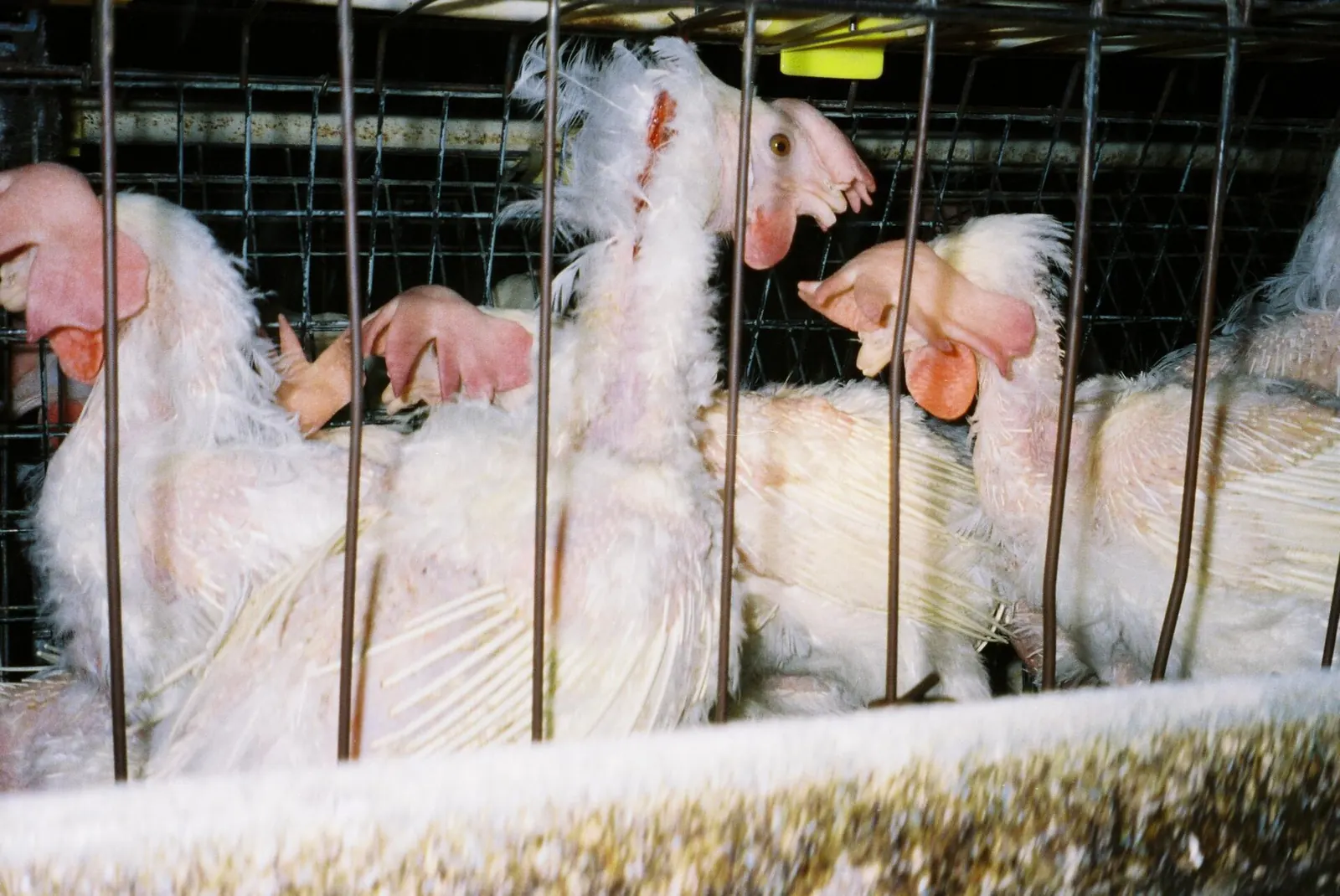
Cage-free means the hens aren’t in cages. Under USDA’s grading definition, they can move around inside a barn, which may be a multi-tier aviary, and must have enrichments such as perches, nests and scratch areas. Cage-free says nothing about going outside.

What does “free-range” mean?
For USDA-graded eggs, free-range adds continuous access to the outdoors during the laying cycle. That’s a real difference from cage-free, but the rule doesn’t set how much outdoor space each hen gets, what the ground is like or how many birds actually use it. The outdoor area can be fenced or netted.
For chicken meat, FSIS treats free-range as access to the outside, documented by the producer. FSIS’s own materials describe free-range in more than one way across its guidance, which is part of why label claims can feel slippery.
What does “pasture-raised” mean?
Pasture-raised is the term shoppers usually assume is strictest, and it can be. But there’s no USDA definition for pasture-raised eggs. When it appears alone, it’s the producer’s description.
It becomes specific when a certifier stands behind it. Certified Humane’s Pasture Raised standard requires 108 square feet per bird, based on a rotational system where part of the land rests at a time. Hens must be outdoors year-round, with mobile or fixed housing they can enter at night to protect themselves from predators. Certified Humane’s Free Range standard, by contrast, requires 2 square feet per bird.
So “pasture-raised” with a Certified Humane or Animal Welfare Approved logo tells you something concrete. “Pasture-raised” by itself tells you what the producer wants you to believe, which may well be true but isn’t independently checked.
What about organic and Animal Welfare Approved?
USDA Organic is a federal regulation, so the word organic on eggs or chicken is legally binding. It covers feed, health care and living conditions, including outdoor access. In 2023, USDA finalized its Organic Livestock and Poultry Standards rule, which clarified that open-sided poultry houses, porches and verandas are not outdoor space. Layer operations got four additional years to comply with the new stocking density, soil and vegetation requirements, so expect organic standards on the ground to tighten over time.
Certified Animal Welfare Approved, run by A Greener World, requires animals to be raised outdoors on pasture or range on independent farms, and its auditors visit every farm at least once a year.
How do you choose eggs when buying from a farm?
At a farm stand or market, labels matter less than questions. Ask:
- How much time do the hens spend outside, and in what seasons?
- What does their outdoor area look like: grass, dirt, a run?
- How many hens share it?
- What do they eat besides pasture?
- Can I see the setup?
A small flock on grass that you can see from the road may never carry a certification, because certification costs money. That doesn’t make it worse. It just means you’re relying on the farmer’s word and your own eyes, which is what buying direct is for.
Once you have the eggs, storage matters. Read how long farm fresh eggs last for washing and fridge guidance. For more on finding farms, see how to buy food direct from farms, and for the beef side of “grass-fed” claims, see how much is half a cow. For supermarket label reading beyond eggs, the real food hub goes further.
Questions people ask
What is the difference between free-range and pasture-raised eggs?
Free-range, for USDA-graded eggs, requires continuous access to the outdoors but sets no space or pasture requirement. Pasture-raised has no USDA definition; under Certified Humane it means 108 square feet of rotated outdoor space per hen, outdoors year-round with shelter at night.
Is pasture-raised regulated by USDA?
Not for eggs. The term is only as meaningful as the certifier behind it, so look for a third-party logo like Certified Humane or Animal Welfare Approved next to the claim.
Are cage-free eggs the same as free-range?
No. Under USDA's grading definitions, cage-free hens roam indoor houses, while free-range hens also have continuous access to the outdoors.
Does organic mean the hens go outside?
USDA Organic requires outdoor access, and its 2023 Organic Livestock and Poultry Standards rule clarified that enclosed porches and verandas don't count as outdoor space. Layer operations were given extra time to meet the new outdoor space and vegetation requirements.
Which egg label is the strictest?
Among common labels, Certified Animal Welfare Approved and Certified Humane Pasture Raised set the most specific outdoor requirements. A farm you can visit is another way to check for yourself.
Sources
- USDA — USDA Graded Cage-Free Eggs: All They're Cracked Up to Be
- USDA FSIS — Meat and Poultry Labeling Terms
- USDA FSIS — Constituent Update, August 30, 2024 (animal-raising claims guideline)
- Certified Humane (Humane Farm Animal Care) — Truth in labeling
- A Greener World — Certified Animal Welfare Approved
- National Agricultural Law Center — USDA publishes final rule amending organic livestock and poultry standards