
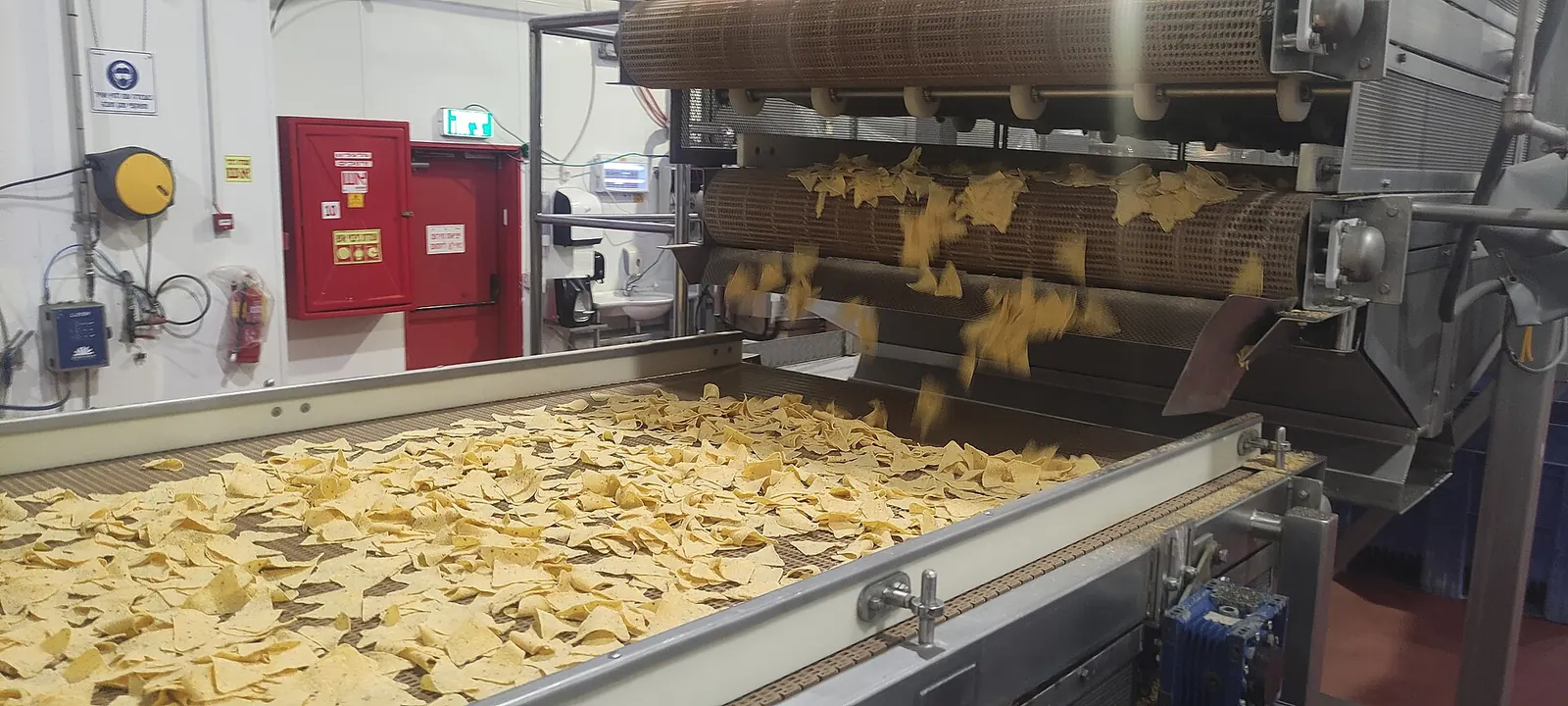

Ultra-processed foods are industrial products made mostly from extracted or modified ingredients, such as starches, oils, sugars and protein isolates, plus additives like flavors, colors, emulsifiers and sweeteners. Common examples are soft drinks, packaged snacks, sweetened cereals, instant noodles, nuggets and most mass-produced breads. The quickest test is an ingredient you would not use at home.
On this page
If you have ever turned over a box and not recognized half of what was in it, your instinct is a good one. “Ultra-processed” has a working definition, a growing body of research, and some real gray areas. Here is how to use it without driving yourself crazy.
What is ultra-processed food? The NOVA groups explained
The term comes from NOVA, a classification developed by researchers led by Carlos Monteiro at the University of São Paulo. NOVA sorts food by how much and why it has been processed, not by its nutrients.
| NOVA group | What it is | Examples |
|---|---|---|
| 1. Unprocessed or minimally processed | Whole foods, or foods that have been washed, cut, frozen, dried, pasteurized or fermented without adding other ingredients | Fresh and frozen fruit and vegetables, eggs, milk, plain yogurt, meat, fish, beans, rice, oats, nuts, dried herbs |
| 2. Processed culinary ingredients | Substances taken from foods and used in cooking | Oils, butter, lard, tallow, sugar, honey, salt, vinegar, flour |
| 3. Processed foods | Group 1 foods with group 2 ingredients added, using traditional methods | Bread made from flour, water, salt and yeast; cheese; canned vegetables or beans in salt water; cured ham; canned fish |
| 4. Ultra-processed foods | Industrial formulations made mostly or entirely from substances extracted from foods or made in labs, with additives to make them palatable and shelf-stable | Soda, packaged snacks, sweetened cereals, nuggets, instant noodles, packaged sliced bread with additives |
According to Monteiro and colleagues, ultra-processed products are designed to be cheap to make, long-lasting, convenient and “hyper-palatable.” In other words, they are engineered to be very easy to overeat.
Ultra-processed foods list
A practical list by category. Most products in these categories are ultra-processed, but always check the ingredients. A few brands in almost every category make simpler versions.
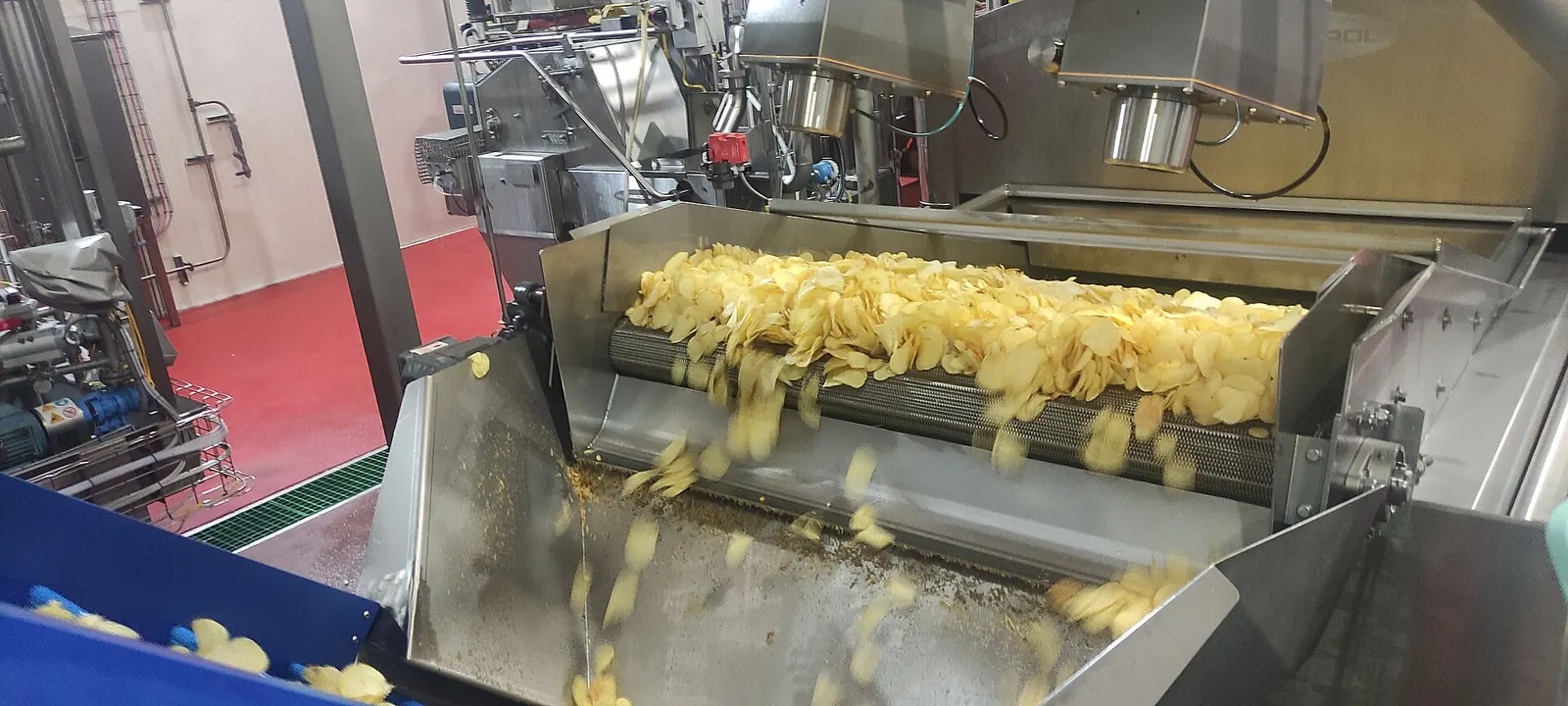

Drinks - Soft drinks and energy drinks - Sweetened or flavored juice drinks, iced teas and coffee drinks - Flavored and “diet” waters, and drinks with non-sugar sweeteners - Powdered drink mixes
Breakfast - Sweetened breakfast cereals and cereal bars - Toaster pastries and frozen waffles - Flavored instant oatmeal packets - Flavored and sweetened yogurts and yogurt drinks
Bread and baked goods - Mass-produced packaged sliced bread, buns and wraps with emulsifiers or preservatives - Packaged cakes, muffins, cookies and pastries - Most crackers
Snacks and sweets - Chips and flavored corn or puffed snacks - Candy, chocolate bars and fruit snacks - Ice cream and frozen desserts with emulsifiers and stabilizers - Protein and “energy” bars
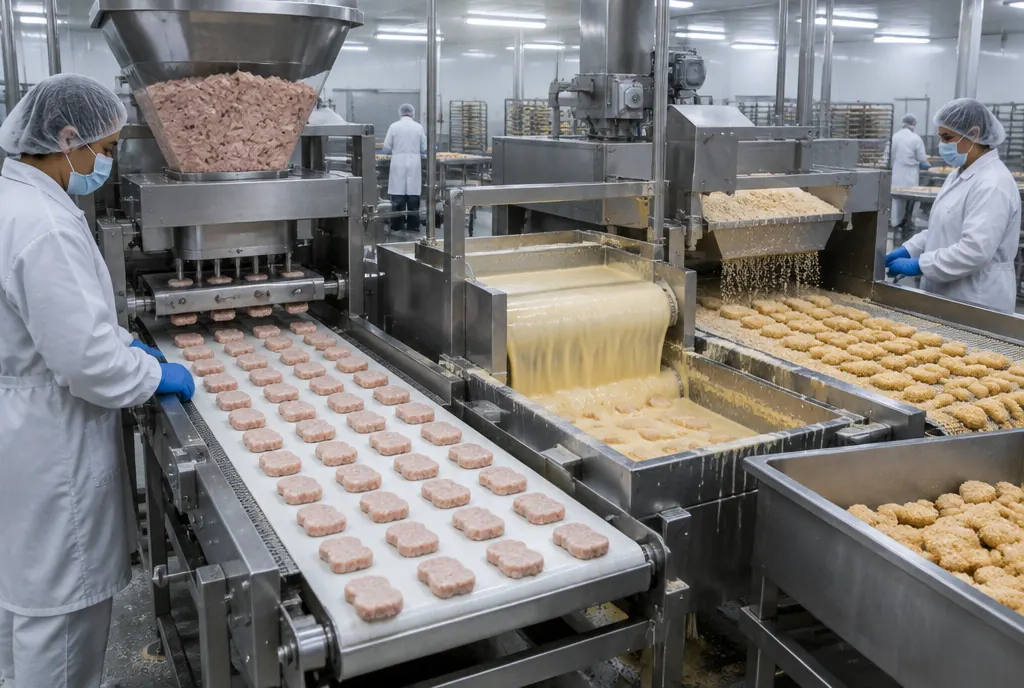
Meat and meat substitutes - Hot dogs, chicken nuggets, fish sticks and many sausages - Reconstituted deli meats - Many plant-based meat alternatives
Meals and sauces - Frozen pizzas and ready meals - Instant noodles and cup soups - Boxed macaroni and cheese and flavored rice mixes - Many bottled sauces, dressings and gravy mixes - Margarine and many spreads
Not ultra-processed: plain frozen vegetables, canned beans, plain yogurt, traditional cheese, a simple loaf of sourdough, canned tomatoes, oats and dried pasta.
How to spot ultra-processed food on a label
Monteiro’s team suggests a simple test: a product is ultra-processed if its ingredient list contains at least one item from either of these groups.


1. Food substances rarely or never used in home kitchens - High-fructose corn syrup, invert sugar, maltodextrin, dextrose - Hydrogenated or interesterified oils - Hydrolyzed proteins, soy protein isolate, whey protein concentrate, mechanically separated meat - Modified starch, fruit juice concentrate used as a sweetener
2. “Cosmetic” additives that change taste, look or texture - Flavors and flavor enhancers (“natural flavors,” “artificial flavors,” MSG) - Colors, such as Red 40, Yellow 5 and caramel color - Emulsifiers (soy lecithin, mono- and diglycerides, polysorbate 80, carrageenan) - Sweeteners (sucralose, aspartame, acesulfame K) - Thickeners and gelling agents, such as gums - Anti-foaming, bulking, foaming and glazing agents
Tip: You do not need to memorize a list. Ask one question: “Could I buy every ingredient on this label at a grocery store and use it in my kitchen?” If the answer is no, it is probably ultra-processed.
Seed oils show up on many of these labels as well. If that is your concern, see seed oils: the full list and what the evidence says.
What does the research show?
The biggest review. A 2024 umbrella review in the BMJ by Lane and colleagues pulled together 45 pooled analyses covering nearly 9.9 million people. It found that higher ultra-processed food intake was associated with worse outcomes on 32 of the health measures studied. The strongest (“convincing”) evidence linked higher intake to:
- Higher risk of death from cardiovascular disease (about 50% higher risk)
- Type 2 diabetes (risk rose steadily with intake, by about 12% per increment in dose-response analyses)
- Anxiety and common mental disorders (around 50% higher odds)
There was also “highly suggestive” evidence for links with death from any cause, obesity, depression and sleep problems. However, the authors rated the quality of most of the evidence as low or very low using the standard GRADE system, mainly because it comes from observational studies.
The trial that tested cause and effect. In 2019, Kevin Hall and colleagues at the US National Institutes of Health admitted 20 adults to a research ward for four weeks. Each person spent two weeks on an ultra-processed diet and two weeks on an unprocessed diet. The meals were matched for calories, sugar, fat, fiber and salt as presented, and people could eat as much or as little as they wanted. On the ultra-processed diet, they ate about 500 more calories a day and gained about 0.9 kg (2 lb). On the unprocessed diet, they lost about the same amount.
Official guidance is catching up. The 2025–2030 Dietary Guidelines for Americans are the first edition to explicitly call out highly processed foods, advising people to limit sugar-sweetened drinks and salty or sweet packaged snacks and ready-to-eat foods.
What we know: Diets high in ultra-processed food are consistently associated with higher risk of cardiovascular death, type 2 diabetes, obesity and common mental disorders. In a tightly controlled inpatient trial, an ultra-processed diet led people to eat more and gain weight compared with an unprocessed diet matched for nutrients as presented.
What’s debated: Why ultra-processed food is linked to poor health: calorie density, the speed at which it is eaten, specific additives, what it pushes off the plate, or all of these. Whether all ultra-processed foods are equally risky. Some research suggests categories like sugary drinks and processed meats drive much of the risk, while others, like some whole-grain breads or yogurts, may not. Whether NOVA’s categories are precise enough, since researchers sometimes classify the same food differently.
What isn’t supported: That any single bite of ultra-processed food is harmful, that “processed” in general means unhealthy, or that one additive explains the whole effect. Most of the evidence is observational, so the exact size of the risk is uncertain.
Realistic swaps, not perfection
Many people eat a lot of ultra-processed food. Your goal is not zero. It is to shift the balance, starting with what you eat most often.
| Instead of | Try |
|---|---|
| Soda or sweetened drinks | Sparkling water with citrus, unsweetened iced tea |
| Sweetened breakfast cereal | Oats with fruit and nuts; eggs and toast |
| Flavored yogurt | Plain yogurt with honey and berries |
| Packaged sliced bread | Bakery bread with a short ingredient list, or homemade sourdough |
| Chips and packaged snacks | Popcorn popped in a pot, nuts, cheese and fruit |
| Chicken nuggets | Chicken thighs cut up and oven-roasted |
| Bottled dressing | Olive oil, vinegar, mustard, salt |
| Frozen ready meals | A double batch of soup, stew or chili, frozen in portions |
A few habits make the biggest difference:
- Start with drinks. Sweetened drinks are one of the easiest ultra-processed products to swap, and the new US Dietary Guidelines single them out.
- Stock a scratch-cooking pantry. With a few basics on hand, cooking becomes the easy option. Our pantry staples checklist covers what to keep.
- Cook once, eat twice. Batch cooking beats the freezer aisle on a busy night.
- Buy closer to the source. Farmers’ markets and farm shares make whole food the default. See local food.
- Keep simple convenience foods. Canned beans, frozen vegetables, canned fish and plain pasta are fast and cheap.
The bottom line
“Ultra-processed” is a useful idea with real evidence behind it. It is not perfect, and it is not a moral test. The best-supported takeaway is simple: the more of your food you recognize as food, the better. You do not have to overhaul everything. Swap one or two everyday items, read the labels on the rest, and build from there.
Questions people ask
What is considered an ultra-processed food?
Under the NOVA classification, an ultra-processed food is an industrial formulation made mostly from substances extracted from foods or made in labs, usually with additives such as flavors, colors, emulsifiers or sweeteners. Soft drinks, packaged snacks, sweetened cereals and reconstituted meats are typical examples.
Is bread ultra-processed?
It depends on the bread. A loaf made from flour, water, salt and yeast or a sourdough starter is 'processed' (NOVA group 3). Packaged bread with emulsifiers, preservatives and added flavorings is usually ultra-processed.
Are frozen vegetables ultra-processed?
No. Plain frozen vegetables and fruit are minimally processed (NOVA group 1). Frozen meals and vegetables in flavored sauces with additives are usually ultra-processed.
Is all processed food bad?
No. Cooking, freezing, fermenting, canning and pasteurizing are forms of processing, and many processed foods are nutritious. The research concern is specifically about ultra-processed products.
Are ultra-processed foods addictive?
That is an active research question. Ultra-processed foods are designed to be highly palatable, and the NIH trial found people ate more of them, but whether they are 'addictive' in a clinical sense is not settled.
Sources
- Monteiro et al., Public Health Nutrition (2019) — Ultra-processed foods: what they are and how to identify them
- Lane et al., BMJ (2024) — Ultra-processed food exposure and adverse health outcomes: umbrella review of epidemiological meta-analyses
- Hall et al., Cell Metabolism (2019) — Ultra-processed diets cause excess calorie intake and weight gain: an inpatient randomized controlled trial
- Harvard T.H. Chan School of Public Health, The Nutrition Source (Jan 2026) — Dietary Guidelines for Americans 2025–2030
- FDA — Color Additives Questions and Answers for Consumers